Oufu Optical Fiber Cable Co., Ltd
Adiresy: Shenyang, Liaoning, Sina.
Olona fifandraisana: mpitantana Zhang
Telefaona: 400-964-1314
Finday: 86 13904053308
【
2024-11-12 3545
LC Fiber Optic Cable: Understanding Its Benefits and Applications
Www.adsscable.cn
Www.adsscable.cn
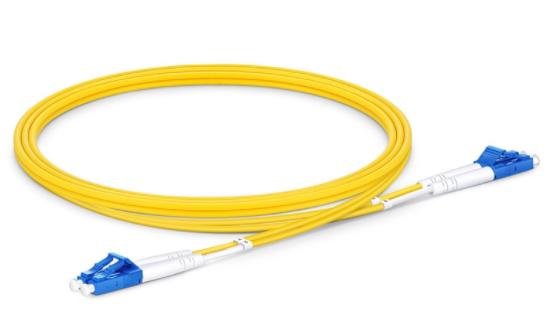
LC Tariby fibre optikas are terminated with LC connectors, which stand for Lucent Connector. These connectors are designed with a push-pull latching mechanism that allows for quick and easy mating and unmating without the need for tools. The LC connector is smaller and Bebe kokoa compact than other types of fiber optic connectors, such as SC or FC, making it ideal for high-density applications where space is limited.
Compact Design: The small size of LC connectors allows for higher port densities in switch and patch panel installations, saving valuable rack space.
Ease of Use: The push-pull latching mechanism simplifies the installation and removal process, reducing the risk of damage to the connector or cable during mating and unmating.
High Performance: LC Tariby fibre optikas are capable of supporting high-speed data transmissions and can be used in a wide range of applications, including Gigabit Ethernet, Fiber Channel, and SONET/SDH networks.
Cost-Effective: LC connectors are generally less expensive than some other types of fiber optic connectors, making LC Tariby fibre optikas a cost-effective solution for many networking needs.
LC Tariby fibre optikas are used in a variety of applications, including:
Data Centers: In data centers, LC Tariby fibre optikas are commonly used for high-density patching and interconnection of servers, storage devices, and networking equipment.
Telecommunications: LC connectors are widely used in telecommunications networks for connecting fiber optic equipment, such as switches, routers, and multiplexers.
LAN/WAN Networks: LC Tariby fibre optikas are suitable for use in Local Area Networks (LANs) and Wide Area Networks (WANs) to support high-speed data transmissions over long distances.
FTTH Deployments: In Fiber to the Tany (FTTH) deployments, LC Tariby fibre optikas are often used to connect optical network terminals (ONTs) to fiber optic distribution points.
When choosing an LC Tariby fibre optika, there are several factors to consider:Www.adsscable.cn
Fiber Type: Choose the appropriate fiber type (single-mode or multi-mode) based on your application's bandwidth and distance requirements.
Connector Type: Ensure that the LC connectors are compatible with your existing equipment and network infrastructure.
Cable Length: Select a cable length that is sufficient for your application, but avoid unnecessary excess length to minimize signal loss and interference.
Cable Jacket Material: Consider the environment in which the cable will be used and choose a jacket material that is suitable for the conditions (e.g., indoor, outdoor, direct burial).
Compliance: Ensure that the LC Tariby fibre optika meets industry standards and regulations, such as TIA/EIA-568-B.3 and IEC 61754-2.
LC Tariby fibre optikas offer a combination of compact design, ease of use, high performance, and cost-effectiveness that makes them an ideal choice for a wide range of networking applications. By understanding the benefits, applications, and considerations for choosing the right LC Tariby fibre optika, you can ensure that your network is equipped with the reliable, high-speed connectivity it needs to support your operations. Whether you're deploying a new network or upgrading an existing one, LC Tariby fibre optikas can provide the performance and flexibility you need to meet your networking challenges.